Single Vineyard Barolo: A Connoisseur's Guide to Cru Tastings in Langhe
Master the art of single vineyard Barolo tasting: decode MGA terroir, compare iconic crus, and secure exclusive winery appointments in Piedmont's Langhe.
By Marco Rosetti
The Soul of Barolo: Why Single-Vineyard Tastings Matter
The single vineyard Barolo is not simply a marketing distinction. It is a precise geographic and philosophical statement. Each bottle declares its origin with the confidence of a signature. For the serious enthusiast who has moved well past introductory cellar tours, a cru-focused tasting is the logical — and deeply rewarding — next step.
Since 2010, Barolo DOCG has formally recognized its MGAs, or Menzioni Geografiche Aggiuntive. Think of these as officially designated vineyard sites, similar in concept to Burgundy’s premier cru classification. There are currently over 170 registered MGAs across the appellation’s eleven communes. Each one carries a distinct identity shaped by altitude, aspect, and — most critically — soil.
A blended Barolo showcases a producer’s house style. A single-vineyard Barolo strips that away. What remains is pure terroir expression — the taste of a specific place. Tasting across several MGAs in a single session gives you a comparative lens that no tasting note or publication can fully replicate.
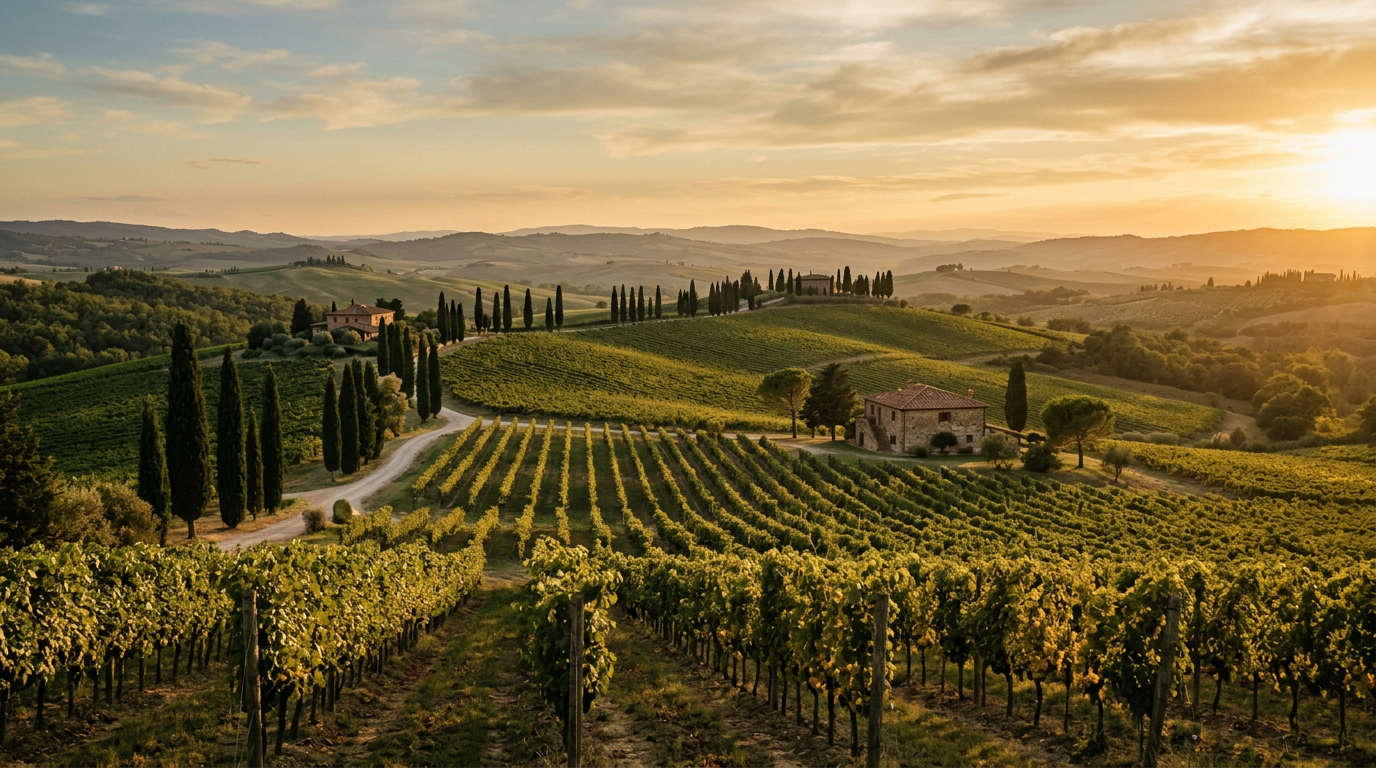
Decoding the Map: Key Barolo Communes and Their Terroir
Barolo’s geography is compact — roughly 1,700 hectares under vine — yet its internal variation is remarkable. The primary reason comes down to two distinct soil families. Each was formed by ancient seabeds laid down millions of years apart.
Tortonian soils are older. They are rich in compacted marl and clay. Helvetian soils are younger and more fragmented. They contain more sand, sandstone, and calcium carbonate. These two soil types do not simply influence flavor. They determine structure, aging potential, and the entire sensory arc of the Nebbiolo grape.
Understanding this divide is the foundation of every meaningful single vineyard Barolo tasting experience.
Serralunga d’Alba & Monforte d’Alba: Power and Structure
Serralunga d’Alba sits on some of the most compact Helvetian soils in the appellation. The terrain is poor and well-drained. It forces Nebbiolo to work hard, producing wines of exceptional concentration.
Expect firm tannins that demand years — sometimes decades — of cellaring. Aromas lean toward tar, dried rose, licorice, and iron. These are not approachable young bottles. They are investments in patience.
Francia, within Serralunga, is among the most celebrated MGAs in the zone. Its steep slopes and thin topsoil produce wines of almost architectural severity. In Monforte d’Alba, the Ginestra cru delivers similar structural intensity. It offers a slightly more generous mid-palate. Both reward vertical exploration across multiple vintages.
La Morra & Barolo: Elegance and Aromatics
Cross into La Morra and the landscape softens. So does the Nebbiolo. Tortonian soils here — layered marl and sand — yield wines that are more immediately expressive. Tannins are present but rounder. Aromatics open earlier and with greater generosity.
Think violet, raspberry, dried herbs, and a silkier texture on the finish. These bottles are not lesser than their Serralunga counterparts. They simply speak a different dialect.
Brunate, straddling the border between La Morra and the Barolo commune, is a benchmark MGA for this style. Its wines balance perfumed aromatics with enough structure to age gracefully. Cannubi, perhaps the most historically revered cru in the entire appellation, sits in the commune of Barolo on a distinctive band of mixed soils. Comparing Cannubi against a pure Tortonian-soil cru from La Morra is one of the most instructive horizontal tastings you can arrange.
Castiglione Falletto: The Harmonious Bridge
Castiglione Falletto occupies a geographic middle ground — and its soils reflect exactly that. Both Tortonian and Helvetian formations appear here, sometimes within the same vineyard. The result is Barolo that combines structural grip with aromatic lift.
Rocche di Castiglione is the commune’s flagship MGA. It produces wines of genuine complexity. You get the tannin architecture of a Serralunga-style Barolo, softened by the floral expressiveness associated with La Morra. For a connoisseur building a comparative tasting around commune character, Castiglione Falletto provides the essential connective tissue between the appellation’s two poles.
Structuring Your Single Vineyard Barolo Tasting Experience
Theory becomes tangible only when you are seated across from a winemaker, glass in hand, with three or four single-vineyard expressions lined up before you. The challenge is that the most revealing experiences rarely advertise themselves. They require deliberate planning and, often, a degree of prior relationship-building.
Luxury enotourism in Langhe has matured significantly. The best estates now offer structured, appointment-only sessions tailored to serious visitors. Standard drop-in tastings are largely irrelevant at this level. You are seeking depth, not breadth.
Securing Exclusive Barolo Winery Appointments
Small, family-run estates that bottle each MGA separately are your primary targets. These producers — often farming fewer than ten hectares — allocate limited time for private visits. They are selective about who they welcome.
Begin your research through the Consorzio di Tutela Barolo Barbaresco Alba Langhe e Dogliani, which maintains a producer directory. Cross-reference with specialist importers in your home country. A respected importer’s introduction carries real weight. It signals that you are a serious buyer, not a casual visitor.
For access to the most exclusive appointments, engage a specialized local guide or enotourism concierge based in Alba or the Langhe. Firms with established producer relationships can open doors that a cold email simply will not. When making contact independently, be specific. Name the MGAs you want to explore. Reference vintages you have already tasted. Demonstrate that you understand what you are asking for.
Vague requests for “a Barolo tasting” receive a polite but generic response. Specific, knowledgeable inquiries receive a different kind of attention entirely.
Planning a Vertical Tasting: One Cru Across Vintages
A vertical tasting presents the same MGA across multiple vintages, typically spanning five to fifteen years. Its purpose is to isolate terroir from vintage variation. You are watching how a specific piece of ground responds to different growing seasons.
The Langhe offers exceptional material for this format. Consider contrasting 2010 — a classic, structured, long-growing season — against 2013, which was cooler and more aromatic. Then add 2016, widely considered a benchmark year. The exercise reveals how a single cru adapts without losing its essential character.
When requesting a vertical session, ask the producer directly which vintages they still hold in library stock. Many estates retain small quantities of older releases precisely for this purpose. Be prepared to pay a premium. These old vintage Barolo tasting experiences involve irreplaceable bottles. The investment is entirely justified.
Horizontal Tasting: Comparing Crus from the Same Vintage
Where a vertical tasting explores time, a horizontal tasting explores geography. You taste multiple MGAs from a single vintage. This eliminates the weather variable and isolates pure terroir expression.
The most instructive horizontal format in Barolo is a direct comparison across soil types. Tasting Cannubi versus a Serralunga d’Alba cru from the same vintage is not just educational — it is genuinely revelatory. The contrast in tannin texture, aromatic register, and overall weight is immediate and unmistakable.
Some estates produce multiple MGAs and can offer this comparison in-house. Others will require you to visit two separate producers on the same day. If so, schedule the more structured, tannic Serralunga expression in the afternoon. Starting with a powerful Helvetian-soil Barolo can overwhelm the palate. You may miss the more delicate nuances of the Tortonian-soil expressions that follow.
Beyond the Cellar Door: Pairing Cru Barolo with Piedmontese Cuisine
A single vineyard Barolo tasting experience reaches its full potential when extended to the table. Piedmontese cuisine was not designed alongside Nebbiolo by accident. The region’s food has evolved over centuries in direct conversation with its most demanding grape.
Tajarin al tartufo — thin egg-yolk pasta with shaved white truffle — is the classic pairing for an elegant, La Morra-style Barolo. The truffle’s earthy, umami-rich intensity meets the wine’s aromatic generosity without overwhelming it. Request this pairing at any serious restaurant in Alba during truffle season, which runs from October to December.
Brasato al Barolo — beef braised slowly in Barolo — suits the more structured, Serralunga-style expressions. The long cooking process mirrors the patience required of the wine itself. Both the dish and the bottle reveal their best qualities only after time has done its work.
Aged Castelmagno or Bra duro cheese — both local Piedmontese varieties — pair beautifully across the MGA spectrum. Their crystalline texture and complex salt cut through Nebbiolo’s tannins with precision.
Ask your winemaker host for pairing recommendations before you leave the estate. Many producers have strong relationships with specific restaurants in La Morra, Barolo village, or Alba. A personal recommendation from a producer carries considerably more weight than any online review.
The single vineyard Barolo tasting experience is, at its core, a study in specificity. It rewards preparation, genuine curiosity, and a willingness to slow down. The Langhe is not a region that reveals itself to the rushed visitor. Every MGA has a story. The best way to hear it is to sit down, pour carefully, and pay close attention.
Ready to plan your cru-focused journey? Browse our curated list of specialist enotourism concierges operating in the Langhe, or explore our in-depth guide to booking exclusive Barolo winery appointments — including which estates currently offer library vertical tastings for private guests.