Solo Valpolicella Tastings: Your Guide to Organic & Biodynamic Estates
Plan unforgettable organic Valpolicella tastings as a solo traveler—from car-free routes to booking tips for intimate, sustainable estates near Verona.
By Marco Rosetti
Why Valpolicella is a Premier Destination for the Solo Oenophile
If you are planning your first solo Valpolicella tastings, you have chosen one of the most rewarding regions in the Veneto. It is also one that genuinely suits independent travelers. This is not a region that demands a group. In fact, it often rewards those who arrive alone.
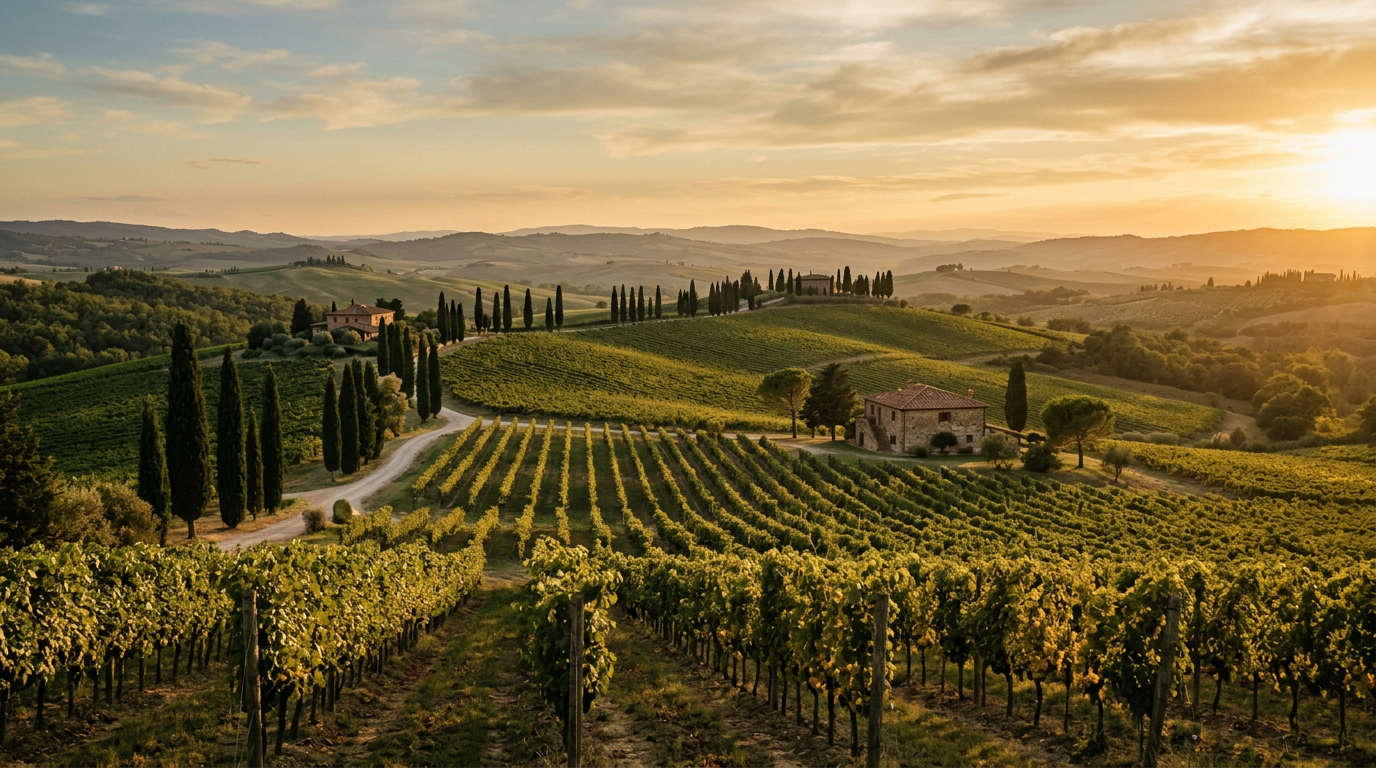
Valpolicella sits just northwest of Verona, tucked into a series of gentle valleys running from the shores of Lake Garda toward the Lessini mountains. The Classico zone — the historic heart of the appellation — covers villages like Fumane, San Pietro in Cariano, and Negrar di Valpolicella. It is compact enough to explore in a long weekend, yet rich enough to keep a curious traveler occupied for a week.
Verona’s central bus terminal connects directly to the Classico zone in under 40 minutes. That accessibility changes everything for solo visitors. You do not need a rental car, a private driver, or a tour group to get here. You need a timetable, a comfortable pair of shoes, and a willingness to slow down.
Smaller, family-run estates in this region tend to be genuinely welcoming to individuals. Unlike large commercial operations in more tourist-heavy areas, many Valpolicella producers still work on a human scale. A solo visitor is not an inconvenience — they are often an opportunity for the winemaker to have a real conversation.
Navigating the World of Sustainable Valpolicella
The shift toward organic and biodynamic viticulture in Valpolicella is not a marketing trend. It is a genuine response to real pressure. Over the past two decades, growers here have faced rising temperatures and changing rainfall patterns. At the same time, consumers have demanded greater transparency in production. These forces combined have pushed many estates toward more sustainable methods.
Organic viticulture, in the EU context, means farming without synthetic pesticides, herbicides, or chemical fertilizers. Producers certified with the EU organic logo — a green leaf made of stars — have passed independent audits confirming these practices. In Valpolicella, this matters because the native grape varieties respond visibly to how the soil is managed. Corvina Veronese, Rondinella, and Molinara are all sensitive to their environment. Healthy soil produces more expressive fruit.
Biodynamic viticulture goes further. Rooted in the philosophy of Rudolf Steiner, it treats the vineyard as a self-sustaining ecosystem. Practitioners follow a planting calendar based on lunar and cosmic cycles. They use natural preparations to stimulate soil life and avoid all synthetic inputs. The Demeter certification is the most recognized international standard for biodynamic producers. When you visit a Demeter-certified estate in Valpolicella, you will often notice cover crops between vine rows, composting areas, and a general atmosphere of deliberate land stewardship.
Several estates in the Classico zone have held organic certification for more than 20 years. Others converted more recently, driven by younger generations taking over family farms. Either way, the result for the traveler is a tasting experience that comes with a story — one that begins in the soil, long before the Corvina grapes are harvested.
Curated Valpolicella Tastings for the Independent Traveler
The best organic Valpolicella tastings for solo travelers are not found by searching for the most famous label. They are found by matching the type of experience you want with the right kind of estate. The three formats below cover the most common traveler profiles — and each one is well suited to someone arriving alone.
The Intimate Cantina: Small, Family-Run Organic Estates
For solo visitors, a small family-run cantina is close to ideal. There is no tour group to be absorbed into, no script to follow. You sit across a wooden table from someone who has spent their life tending these specific vines, and you taste what they have made.
Corte Sant’Alda, located in Mezzane di Sotto on the eastern edge of the appellation, is one of the most cited examples of this approach. Marinella Camerani converted to biodynamic farming in the 1980s — early by any standard — and the estate has maintained Demeter certification ever since. Tastings here feel like a private education. The Valpolicella Classico DOC and Valpolicella Superiore poured at the table are made from estate-grown Corvina and Rondinella. The conversation tends to go wherever your curiosity takes it.
Valentina Cubi, based in Fumane, is another estate worth seeking out. This is a small operation, certified organic, where solo visitors are accommodated with genuine warmth. The Valpolicella Classico Superiore “Morar” is particularly expressive — structured but approachable, with the kind of sour cherry and dried herb character that defines the best Classico-zone fruit.
These are exactly the kinds of organic Valpolicella tastings for solo travelers that no group tour can replicate. The attention is undivided. The experience is personal.
A Solo Traveler’s Day: One Itinerary That Works
To make this concrete, consider how a single day might unfold for someone arriving independently.
Take the ATV line 97 bus from Verona Porta Nuova at 9:15 a.m. You arrive in San Pietro in Cariano by 10:00 a.m. From there, a 20-minute walk along a quiet country road brings you to a small organic estate for a mid-morning appointment. You spend 90 minutes with the producer — tasting four pours, walking a short stretch of vineyard, asking questions about the season.
By early afternoon, you collect an e-bike from a rental point in San Pietro and ride north toward Fumane. The gradient is gentle for the first few kilometers. You stop at Valentina Cubi for a second, lighter tasting — perhaps just two glasses and a plate of local cheese. You are back in Verona by early evening, having covered two estates, a vineyard walk, and 12 kilometers of valley road. Total cost for the day, excluding food: approximately €55–€75.
This kind of itinerary is exactly what makes organic Valpolicella tastings for solo travelers so practical. You set the pace. You choose the stops. Nobody is waiting for you.
The Educational Deep-Dive: Wineries with Guided Vineyard Walks
Some solo travelers arrive in Valpolicella not just to taste, but to understand. If you fall into that category, look for estates that offer guided walks through their pergola Veronese — the traditional overhead trellis system used across the region — alongside their tasting program.
Aldegheri, situated near San Pietro in Cariano, offers structured visits that include a walk through certified organic vineyards before the tasting begins. The guides here explain how biodynamic preparations work, why cover crops matter for water retention, and how the valley’s clay-limestone soils influence the character of Ripasso. Ripasso is a style made by re-fermenting Valpolicella on the dried grape skins left over from Recioto production — a local technique that adds body and complexity without the full intensity of a long appassimento.
These vineyard walks are especially valuable for solo travelers because they provide a natural framework for conversation. You are not just standing at a tasting counter — you are building context that makes every glass more meaningful.
The Car-Free Itinerary: Valpolicella Tastings Without a Rental
The logistics of a Valpolicella tasting without a car are more straightforward than most travel guides suggest. The ATV bus line 97 departs from Verona’s Porta Nuova station and runs through San Pietro in Cariano several times daily. From San Pietro, a number of estates are within a 15–20 minute walk along well-marked country roads.
For a car-free day that covers more ground, renting an e-bike in Verona or San Pietro is an excellent option. Several local operators offer rentals with mapped routes designed specifically for winery visits. A practical circuit might run: San Pietro in Cariano → Fumane → Marano di Valpolicella → back toward San Pietro via the scenic ridge road. The elevation gain is manageable on an e-bike, and the views across the valley justify every pedal stroke.
If you prefer a guided small group Valpolicella experience without the logistical burden, operators such as Veronissima and local agriturismo networks offer half-day tours departing from Verona. These include two or three estate visits and accommodate individual bookings. They are a sensible middle ground between total independence and a large coach tour.
Logistics for the Solo Visitor: Planning Your Valpolicella Journey
Getting There & Around from Verona
Verona is your gateway. High-speed rail connects it to Milan in under two hours and to Venice in about 70 minutes. From Verona Porta Nuova station, the ATV regional bus network serves the Valpolicella Classico zone reliably. Line 97 is the most useful for visitors heading into the heart of the appellation.
Private drivers based in Verona can be booked for half-day or full-day transfers. Expect to pay €120–€180 for a half-day. This gives you complete flexibility and removes any concern about navigating return buses after a tasting. Several Verona-based guides specialize in enotourism and can combine transport with informed commentary.
Local taxis serve the main villages, though availability in smaller hamlets can be unpredictable. Ride-sharing apps have limited coverage outside central Verona. Do not rely on them for return journeys from remote estates.
Booking Valpolicella Tastings for One: Tips & Etiquette
The most common concern among solo travelers is whether small wineries will accept a single booking. The short answer is yes — particularly at organic and biodynamic estates, which tend to attract engaged individual visitors rather than large tour groups.
Book at least one week in advance for weekend visits, and two to three days ahead for weekday appointments. Most estates have a booking form on their website or respond quickly to email in English. When you write, mention that you are traveling solo and express a specific interest in their farming practices. This sets a tone that smaller producers genuinely appreciate.
During the tasting, engage with your host. Ask about the vintage, the soil, the decisions made in the vineyard that year. Solo visitors who arrive curious consistently get more out of these sessions than those who arrive passive. It is also perfectly acceptable to purchase a single bottle rather than a full case — no reputable small estate will make you feel otherwise.
Frequently Asked Questions
What is the best town to stay in Valpolicella for a solo traveler? San Pietro in Cariano offers the best balance of accommodation options, bus connections to Verona, and proximity to multiple estates. For a more atmospheric stay, look for an agriturismo in Fumane. Several certified organic estates in the area rent rooms, placing you directly in the landscape from the moment you arrive.
Are there tasting rooms in Valpolicella that don’t require a reservation? A small number of estates maintain walk-in tasting rooms, particularly around San Pietro in Cariano. However, for organic and biodynamic producers — who typically operate with smaller teams — a reservation is strongly recommended. It also shows basic respect for their time and preparation.
How much should I expect to pay for an organic tasting experience? A standard tasting of four to six pours, sometimes accompanied by local cheese and charcuterie, typically costs between €15 and €35 per person. More structured experiences that include a vineyard walk or a guided session with the winemaker range from €40 to €70. These fees are usually deducted from any purchase you make on the day.
Can I join a group tour on the day? Occasionally, yes — particularly with tour operators based in Verona who run scheduled departures. However, availability for same-day additions is not guaranteed, especially during peak season (April–June and September–October). Checking operator websites the evening before is a practical approach if you prefer to keep your plans flexible.
Valpolicella does not ask you to arrive with a group or a plan carved in stone. It asks you to arrive with attention. Solo travel here is not a compromise — it is arguably the most direct way to access what makes this region worth visiting: the people who farm it, the philosophy behind the bottles, and the specific character of a valley that has been producing Valpolicella Classico DOC and Recioto della Valpolicella DOCG for centuries.
Start with a bus ticket from Verona, one well-chosen appointment at a family estate in Fumane or Negrar di Valpolicella, and a genuine question for your host. Everything else tends to follow from there.
Ready to plan your visit? Browse our curated directory of certified organic estates in the Valpolicella Classico zone, or subscribe to the Slow Italy newsletter for seasonal tasting itineraries delivered directly to your inbox.